Most people who use Shell Park could describe it in one breath: the big skate park, the off-leash area split for small and large dogs, tennis courts, a playground with real shade, and a rose garden that has been doing its thing since long before anyone reading this moved to Lakeshore Road West. That description is accurate. It is also missing the reason this particular stretch of West Oakville shoreline draws people who have never once used the dog park.
For a few weeks every September and into October, the shoreline behind Shell Park and its quieter neighbor, South Shell Waterfront Park, does something the rest of the neighborhood's green space doesn't. It fills with people standing still, looking up, not walking their dogs at all. They're not there for the roses. They're there because this exact patch of lake edge is one of the places migrating songbirds run out of land.
Two Names, One Piece Of Shoreline
Locals tend to use "Shell Park" for the whole area, but there are technically two parks sitting next to each other on Lakeshore Road West, just east of Great Lakes Boulevard. Shell Park proper is the recreation side: the skate park, the tennis courts, soccer fields, the leash-free zones, and the flower displays, including a demonstration garden that trials new plant varieties and has, in past seasons, sent its harvest to Kerr Street Ministries. South Shell Waterfront Park is the smaller, quieter piece closer to the water, with a beach, walking trails, and a pier used by Suncor Energy to unload tankers, which means you can walk near it but not on it.
Functionally, though, they operate as one system, and that system extends past the park boundary. The Town of Oakville's own parks page groups South Shell Waterfront Park with Shell Park, Bronte Woods, and Burloak Woods to the north as a single unit, and describes it as considered by many local birders to be the best migrant stopover site in the greater Hamilton area. That's not marketing language from a tourism site. It's a description of what actually piles up along this shoreline every fall.
Why Birds Pile Up Here And Not Just Anywhere
The mechanism is simpler than it sounds, and it's worth understanding because it explains why this specific stretch of shore works better than a random patch of green space three streets inland. Migrating birds move south along a broad front, but the Great Lakes are large enough to function as a geographic wall. A bird that has been flying steadily since dusk reaches the shore of Lake Ontario and has to decide whether to commit to open water with no place to rest until the far side. Many don't. They stop, refuel in whatever wooded habitat is closest to the water, and wait for better conditions. That's the piling up the Town's own parks page describes, and it's why the tree cover directly behind the beach at South Shell Waterfront Park carries more birds on a good September morning than tree cover of similar size does half a kilometer from the lake.
This is also why the fall version of this spot looks different from the spring version. Fall migration in this region runs longer and messier than spring's tight, dramatic push. Warblers, vireos, and flycatchers move through in waves through August and September, often triggered by the first cold front after a warm stretch, and raptors pick up through September into October as they ride the same north winds south along the shoreline. A birder who shows up expecting the sharp, easy-to-identify plumage of May will find something harder and, in its own way, more interesting: birds in duller, non-breeding feathers, moving in mixed flocks, sometimes producing a genuinely large species count in a single morning if the front timing lines up.
Where People Who Know This Spot Actually Go
If you've walked through Shell Park without noticing any of this, you're not missing anything obvious. The birding activity concentrates in specific corners that don't overlap much with where the skate park or soccer crowd spends its time. People who track this location closely note that the activity leans toward the northeastern side of the park and, to a lesser extent, along Sheldon Creek, and that the practical move is to park in one of the two lots near the entrance rather than the lot by the playing fields, which puts you closer to the wooded edge and farther from the open turf.
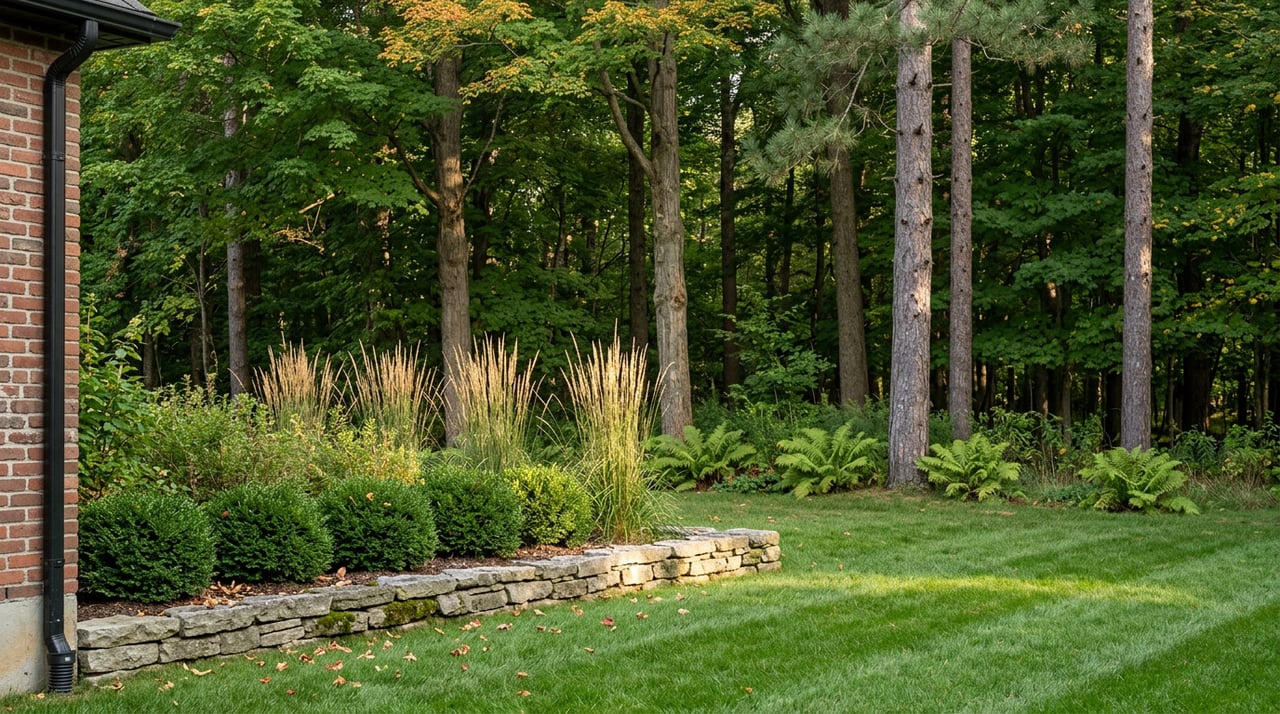
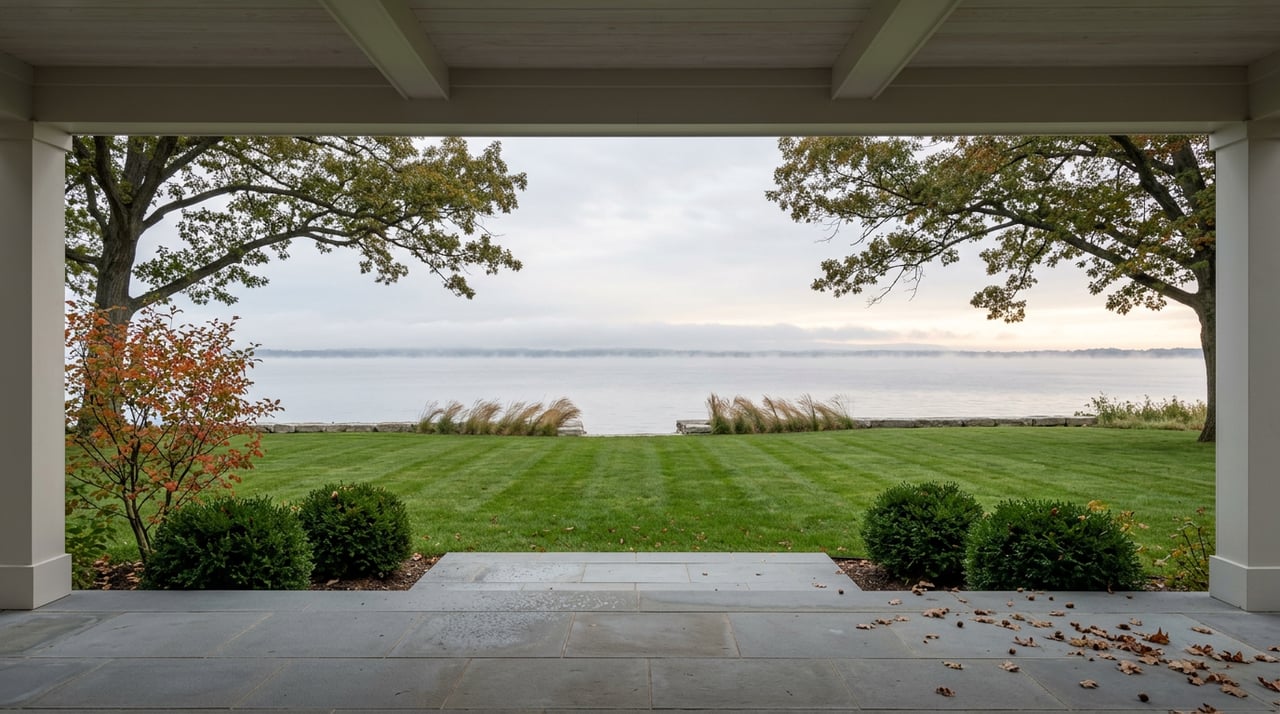
That's a small, specific piece of local knowledge, but it's the kind that separates someone glancing at a park map from someone who has actually stood there at 7 a.m. in late September. The land birds cluster in the wooded sections. The open beach and pier area at South Shell Waterfront Park give you a clean sightline over the lake itself, useful for anything moving along the water rather than through the trees, though the pier remains industrial property and off limits for foot traffic.
The Handoff Nobody Announces
There's a quieter irony sitting underneath all of this. Shell Park's more visible identity, the one built around 500 blooming roses and 10,000 annuals that color the demonstration garden from May through September, is winding down at almost exactly the moment the shoreline's other identity picks up. The flowers that draw a slower, more photograph-minded crowd through the summer are fading into September just as the tree line a few hundred meters away starts filling with birds that weren't there in August. Nobody posts a sign announcing the shift. The park doesn't change its layout. But the reason to be there changes completely, and almost nobody who visits for one reason knows about the other.
The Rest Of The Walk Doesn't Change
None of this requires a special trip. The trail network that runs through Shell Park already connects into the wider path system locals use for an ordinary evening walk, the kind that starts in the trails around Sheldon Creek west of Great Lakes Boulevard and continues northeast toward Nautical Woods and Nautical Park, where the sports field, playground, and splash pad sit. If you already walk a dog through this stretch, or cut through on your way somewhere else, the birds are there whether you stop to look or not. The only difference this time of year is that stopping for five minutes near the tree line actually gets you something.
That's really the point worth sitting with. West Oakville residents already know Shell Park as a place to spend an evening. Fewer know that for a few weeks every fall, the same patch of shoreline is doing something the Town of Oakville itself points to as regionally significant, quietly, without a festival or a sign, right along a path most people have already walked a hundred times.
If you're the kind of person who notices details like this about a neighborhood, that instinct tends to serve you well beyond a walk in the park. Niblock Real Estate spends its time paying attention to the same kind of texture across Old Oakville, Bronte, Glen Abbey, and the rest of West Oakville, the details that don't show up on a listing sheet but shape what it actually feels like to live somewhere. If you're curious what else that kind of local attention can tell you, reach out and book a discovery call.